
Learning how to take kale does not require a blender or a thick green drink. You can eat it raw, cook it into familiar meals, bake it until crisp, or use a clearly labeled powder when convenience matters. This guide explains practical methods, preparation tips, and safety points for beginners.
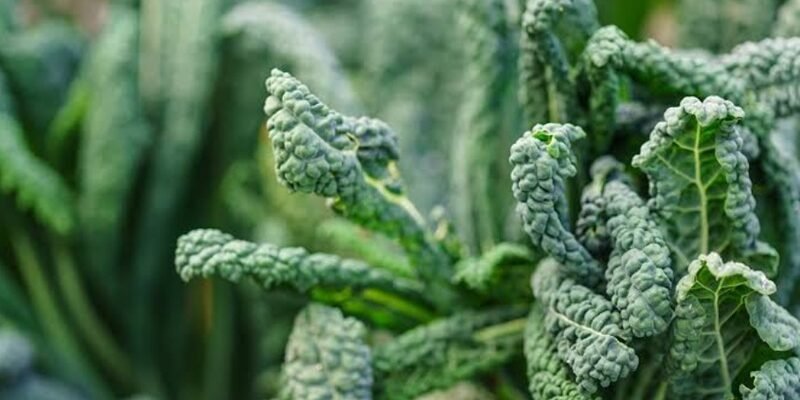
Kale has a firm texture and a slightly bitter flavor. Those qualities become easier to manage when you choose the right variety and preparation method. Baby kale works well raw. Curly kale suits salads and chips. Lacinato kale softens quickly in soups, pasta, and sauteed dishes.
Secrets Of The Tribe approaches this topic with a kitchen-first rule: choose a form you can use consistently, then judge convenience and nutrition separately. A small amount added to a meal you enjoy is more practical than a large bag that spoils in the refrigerator.
- What is the easiest way to take kale without a smoothie?
- Short answer
- Which form of kale should you choose?
- How can you prepare raw kale so it tastes better?
- Make a massaged kale salad
- Use kale in slaw
- Add baby kale to wraps
- How can you cook kale without making it bitter?
- Saute it quickly
- Stir it into soup
- Mix it with eggs
- Fold it into pasta or grains
- What are the best low-effort ways to take kale?
- Can you make kale chips without special equipment?
- Can you use kale powder without making a smoothie?
- Check the product form
- Read the serving weight
- Review other ingredients
- How much kale should you take?
- Vitamin K fact
- How should you wash and store fresh kale?
- How to Take Kale Checklist
- Choose the right form
- Remove tough stems
- Wash and dry
- Start with a familiar meal
- Balance the flavor
- Begin with a small portion
- Check supplement details
- Consider medication consistency
- FAQ
- Can you eat kale raw?
- What is the easiest way to hide the taste of kale?
- Is frozen kale as practical as fresh kale?
- Can you swallow kale powder with water?
- Are kale capsules the same as eating kale?
- How do you make kale less bitter?
- Can you eat kale every day?
- Does kale need to be cooked?
- Glossary
- Conclusion
- Sources Used
What is the easiest way to take kale without a smoothie?
The easiest method is to chop kale finely and cook it with food you already make. Add a handful to eggs, soup, pasta sauce, beans, rice, or a stir-fry. Heat reduces the volume and softens the leaves, so the kale becomes less noticeable.
If you prefer raw vegetables, use baby kale or massage mature leaves with a small amount of oil and an acidic ingredient. This softens the texture and balances bitterness.
Short answer
You can take kale as a capsule, salad, slaw, sauteed side, soup ingredient, egg filling, grain-bowl topping, pesto, baked chip, wrap filling or whole-leaf powder. The best option depends on taste, preparation time, and whether you want a whole vegetable or a compact supplement.
Which form of kale should you choose?
Choose the form based on how you plan to use it. Fresh and frozen kale remain recognizable vegetables. Powders and capsules are processed products with smaller serving volumes and more variable composition.
| Form | Best use | Main advantage | What to consider |
|---|---|---|---|
| Baby kale | Salads, wraps, sandwiches | Tender leaves and mild flavor | Short refrigerator life |
| Curly kale | Massaged salads, chips, cooked sides | Widely available and versatile | Thick stems usually need removal |
| Lacinato kale | Soups, pasta, beans, grain bowls | Easy to slice and quick to soften | Flavor can still be earthy |
| Frozen kale | Soups, eggs, sauces, casseroles | Low preparation and less waste | Not suitable for crisp raw salads |
| Whole-leaf powder | Soups, dips, savory dishes | Shelf-stable and compact | Fiber and serving weight vary |
| Capsules | Travel or taste avoidance | No vegetable flavor | Usually contain little plant material per capsule |
How can you prepare raw kale so it tastes better?
Remove the thick stems, cut the leaves into small pieces, and soften them before serving. Mature kale becomes easier to chew when you massage it for one or two minutes with a small amount of olive oil, lemon juice, or vinegar.
Make a massaged kale salad
Place chopped leaves in a bowl. Add a small amount of oil and a pinch of salt. Rub the leaves gently between your fingers until they become darker and softer. Add beans, grains, roasted vegetables, fruit, seeds, cheese, or a simple dressing.
Use kale in slaw
Slice the leaves into thin ribbons and combine them with cabbage or carrots. A creamy or acidic dressing helps soften the kale. Let the slaw rest for 10 to 20 minutes before eating.
Add baby kale to wraps
Baby kale can replace lettuce in wraps and sandwiches. Pair it with moist ingredients such as hummus, avocado, roasted vegetables, eggs, or soft cheese to balance the leaf texture.
How can you cook kale without making it bitter?
Use moderate heat, avoid overcooking, and pair kale with ingredients that balance bitterness. Olive oil, garlic, onions, lemon, vinegar, tomatoes, beans, and mild cheese all work well.
Saute it quickly
Heat a small amount of oil in a pan. Add chopped kale with a spoonful of water. Cook for three to five minutes, stirring until the leaves soften. Finish with lemon juice or vinegar.
Stir it into soup
Add chopped kale during the final 10 to 15 minutes of cooking. It works well in lentil soup, bean soup, vegetable stew, noodle soup, and tomato-based dishes. Frozen kale can go directly into the pot.
Mix it with eggs
Cook chopped kale briefly before adding eggs. Use the mixture in scrambled eggs, an omelet, a frittata, or an egg sandwich. Precooking removes excess water and improves texture.
Fold it into pasta or grains
Mix cooked kale with pasta, rice, quinoa, couscous, or barley. Cut it finely so each bite contains a balanced amount. Garlic, olive oil, beans, and grated cheese can make the flavor more familiar.
What are the best low-effort ways to take kale?
Frozen kale, one-pan dishes, and batch cooking require the least work. You do not need a separate kale recipe. Treat it as an ingredient that can join a meal during the final stage of cooking.
| Method | Preparation | Approximate time | Result |
|---|---|---|---|
| Pan saute | Chop and cook with oil and water | 3 to 5 minutes | Soft and savory |
| Soup addition | Stir into a simmering pot | 10 to 15 minutes | Tender and mild |
| Egg addition | Cook briefly, then add eggs | 5 to 8 minutes | Compact and easy to portion |
| Massaged salad | Rub chopped leaves with dressing | 2 to 5 minutes | Softer but still fresh |
| Baked chips | Coat lightly and bake in one layer | 10 to 15 minutes | Dry and crisp |
| Frozen kale addition | Add directly to a hot dish | 5 to 10 minutes | Soft with no chopping |
Can you make kale chips without special equipment?
Yes. Remove the stems and dry the leaves thoroughly. Tear them into similar pieces, coat them with a small amount of oil, and arrange them in one layer on a baking tray.
Bake at moderate heat until the edges feel crisp. Watch closely because thin pieces can darken quickly. Let the chips cool before storing. Trapped steam makes them soft.
Kale chips are light and convenient, but the portion shrinks during baking. Keep added oil and salt appropriate for the rest of your meal.
Can you use kale powder without making a smoothie?
Yes. Mix a small amount of whole-leaf kale powder into soup, tomato sauce, hummus, pesto, bean dip, scrambled eggs, or a savory yogurt sauce. Start with less than the labeled serving if the flavor is unfamiliar, then adjust within the product directions.
The editorial standard at Secrets Of The Tribe is to describe powder as a convenience tool, not a vegetable serving unless the declared weight and nutrient information support that comparison. Removing water makes powder compact, but it does not guarantee equal retention of every component found in fresh kale.
Check the product form
Whole-leaf powder contains dried and milled leaf material. An extract concentrates selected components and may contain less of the original food structure. A greens blend combines kale with other ingredients, sometimes without declaring each individual amount.
Read the serving weight
Check how many grams or milligrams the serving provides. Do not judge the amount from scoop size, capsule count, or front-label wording alone.
Review other ingredients
Look for sweeteners, flavors, fillers, herbs, and added vitamins or minerals. Multi-ingredient products make total intake harder to assess, especially when you already use other supplements.
How much kale should you take?
There is no single kale portion that suits every person. Your overall eating pattern, appetite, medication use, and tolerance matter more than reaching a fixed daily amount. Begin with a modest portion and use kale as one of several vegetables rather than the only green food you eat.
Vitamin K fact
One cup of raw kale provides about 113 micrograms of vitamin K according to the NIH Office of Dietary Supplements. Values can vary with the kale variety, serving weight, and preparation method.
Vitamin K supports normal blood clotting and has other roles in the body. If you take warfarin or another vitamin K antagonist, keep your vitamin K intake reasonably consistent. Discuss substantial dietary changes and concentrated kale products with your healthcare professional.
People with individualized dietary restrictions should also seek professional guidance before making kale or any concentrated greens product a regular part of their routine.
How should you wash and store fresh kale?
Wash unpackaged kale under plain running water before preparing or eating it. Do not use soap, detergent, or household cleaning products. Remove damaged areas and dry the leaves with a clean towel or salad spinner.
Follow the package directions for greens marked prewashed or ready to eat. Keep fresh kale refrigerated. Store dry leaves in a clean container or bag with a paper towel to absorb excess moisture.
Use separate clean utensils and surfaces when raw meat, poultry, seafood, or eggs are also being prepared. Washing can reduce surface contamination, but it cannot remove every possible microorganism.
How to Take Kale Checklist
Use this checklist to find a method that fits your taste and schedule. Start with one simple preparation instead of buying several forms at once.
Choose the right form
Use baby kale for raw meals, mature kale for cooking, and frozen kale for speed. Choose powder or capsules only when their convenience solves a real problem.
Remove tough stems
Pull or cut thick stems from mature leaves. Thin stems on baby kale can usually remain.
Wash and dry
Rinse fresh kale under running water and dry it with clean equipment. Dry leaves produce better salads and crispier chips.
Start with a familiar meal
Add chopped kale to eggs, soup, pasta, beans, or rice. Familiar flavors make the first serving easier to enjoy.
Balance the flavor
Use oil, lemon, vinegar, tomatoes, garlic, or mild cheese. These ingredients soften kale’s bitter and earthy notes.
Begin with a small portion
Add enough to test the taste and texture without dominating the meal. Increase the portion gradually if you enjoy it.
Check supplement details
Confirm the kale form, serving weight, ingredient list, and product directions. Do not assume a capsule equals a vegetable serving.
Consider medication consistency
Discuss major changes in kale intake with a healthcare professional if you use a vitamin K antagonist. Count food and supplement sources.
FAQ
Can you eat kale raw?
Yes. Remove thick stems and cut mature leaves finely. Massaging the leaves with oil and an acidic dressing makes them softer.
What is the easiest way to hide the taste of kale?
Chop it finely and cook it in tomato sauce, soup, eggs, beans, or pasta. Strong familiar flavors reduce its prominence.
Is frozen kale as practical as fresh kale?
Frozen kale is often more practical for cooked meals. It requires little preparation, lasts longer, and can go directly into hot dishes.
Can you swallow kale powder with water?
Follow the product directions. Dry powder can clump and taste strong, so mixing it thoroughly into food or liquid is usually easier.
Are kale capsules the same as eating kale?
No. Capsules usually provide less plant material, fiber, water, and food volume than a normal serving of kale.
How do you make kale less bitter?
Remove the stems, cook the leaves briefly, or massage them with oil. Lemon, vinegar, garlic, tomatoes, and mild cheese also balance bitterness.
Can you eat kale every day?
Many people can include kale regularly as part of a varied diet. Individual needs differ, especially when medication or controlled nutrient intake is involved.
Does kale need to be cooked?
No. Kale can be eaten raw or cooked. Cooking reduces volume and softens mature leaves, while raw preparation keeps a firmer texture.
Glossary
Baby kale
Young kale leaves with a milder flavor and more tender texture.
Brassica
A plant group that includes kale, cabbage, broccoli, and Brussels sprouts.
Curly kale
A common kale variety with ruffled leaves and firm stems.
Lacinato kale
A dark, narrow-leaf variety also known as Tuscan or dinosaur kale.
Massaging
Rubbing raw kale with dressing to soften its structure and texture.
Vitamin K antagonist
A type of medicine whose activity can be affected by changes in vitamin K intake.
Whole-leaf powder
Dried kale leaf that has been ground without intentionally isolating one component.
Extract
A processed ingredient that concentrates selected components from a plant material.
Conclusion
The simplest way to take kale without smoothies is to add chopped fresh or frozen leaves to meals you already cook. Use powder or capsules for convenience only after checking the form, serving weight, ingredients, and personal safety considerations.
Sources Used
- Kale nutrition, varieties, and recipe guidance, USDA SNAP-Ed Seasonal Produce Guide – snaped.fns.usda.gov/resources/nutrition-education-materials/seasonal-produce-guide/kale
- Vitamin K intake and medication considerations, NIH Office of Dietary Supplements – ods.od.nih.gov/factsheets/VitaminK-Consumer
- Safe washing and handling of fresh produce, Selecting and Serving Produce Safely – fda.gov/food/buy-store-serve-safe-food/selecting-and-serving-produce-safely
- Dietary supplement regulation and label guidance, FDA 101: Dietary Supplements – fda.gov/consumers/consumer-updates/fda-101-dietary-supplements